Guide
Genuine vs compatible brush heads
Published
Note: This page contains affiliate links. If you buy through them we may earn a commission at no extra cost to you. Learn more
In short
Genuine heads from Oral-B or Philips are made for the handle, carry the maker's quality control and, on many models, include a chip that powers replacement reminders and mode pairing. Compatible heads cost less per head, but fit, bristle quality and finish vary between sellers and the smart features usually do not work. Whichever you choose, replace the head about every three months.
Products for this job
Compare all 8 productsOral-B iO6: Sensitive and Super-Sensitive modes, display
Check price on AmazonAffiliate linkSonicare Next-Gen 9900 Prestige: SenseIQ, 8 modes, display
Check price on AmazonAffiliate linkOral-B iO9: 7 modes, 3 heads, charging travel case
Check price on AmazonAffiliate link
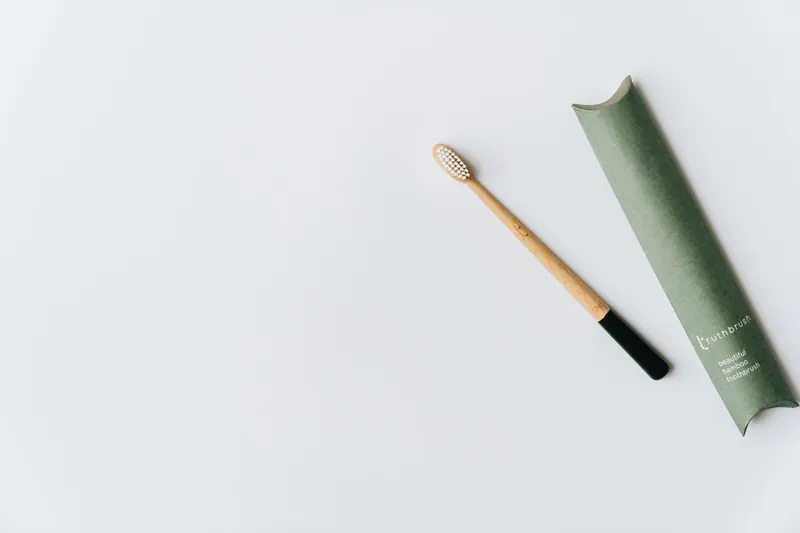
Replacement heads are the ongoing cost of an electric toothbrush, and for a family it can add up over a year. That is why compatible heads, sold by third parties to fit Oral-B or Sonicare handles, are so popular. This guide looks at what you actually get with each: how heads are made, what the smart chip does, where compatible heads can fall short and how to work out your yearly head count. It does not name compatible brands, because quality varies between batches and sellers.
Why genuine heads cost what they do
Genuine heads include the maker's bristle designs, quality control and, increasingly, electronics. Many Sonicare heads carry a BrushSync chip, and Oral-B iO heads work with the handle's replacement reminder. The brands also design the head to match the drive in the handle, whether that is the iO's magnetic drive or the Sonicare sonic motor.
Toothbrush makers, like printer makers, earn a good share of their money from the parts you replace. That is a business choice, but it does not mean every saving from a compatible head is free.
What you can lose with compatible heads
The main differences are in fit, bristles and smart features.
| Factor | Genuine | Compatible |
|---|---|---|
| Fit on handle | Designed for the handle | Varies; can be loose or noisy |
| Bristle finish | Maker's specification | Varies between sellers |
| Replacement reminder chip | Included on many heads | Often missing or not working |
| Automatic mode pairing | Works on supported handles | Usually not available |
| Maker support | Covered by the maker | Seller's own terms |
Note:Bristles with sharp or poorly finished ends can be uncomfortable on gums. If a head feels rough or causes discomfort, stop using it. Ask your dentist if you have concerns about your gums.
Fit and noise
A head that is slightly loose on the shaft can rattle, feel weaker or make the handle louder. On a sonic brush the head and shaft act together, so a poor fit can change how the head moves. Our guide to how a sonic toothbrush works explains why.
If you try compatible heads, check they click on firmly and that the brush sounds and feels the same as with a genuine head.
Working out your yearly head count
The NHS advises a new toothbrush or head every three months, so one person needs four heads a year. Multiply by the number of people in the house. Our brush-head planner does the sum and, if you enter the number of heads per pack, tells you how many packs you need.
Once you know the count, compare multipack prices for genuine heads against compatible ones. Buying genuine heads in larger packs is one way people reduce the cost per head.
- 1 person: 4 heads a year
- 2 people: 8 heads a year
- 4 people: 16 heads a year
When compatible heads can make sense
If your handle has no reminder chip or mode pairing, you lose less by using a compatible head. Some people use compatible heads as spares, for travel, or for a second handle at a partner's home. Buy from sellers with clear returns and check the listing names your handle range.
For iO handles, remember that only iO-fit heads work. Our Oral-B iO brush heads and Sonicare brush heads explainers set out the genuine ranges.
How to spot a poor head
Before fitting any new head, genuine or not, take a moment to look at it. The bristles should be even, with rounded ends rather than sharp cut tips, and the tufts should be firmly set in the plastic. The head should click onto the handle without wobbling, and the brush should sound the same as it did with the previous head.
Watch out for listings that use the maker's brand name prominently while selling third-party heads, and for packs that do not say which handle ranges they fit. If you are unsure whether a pack is genuine, buy from the maker's own store or a large, established retailer.
Head costs and choosing a handle
Head cost is worth thinking about before you buy a handle. A brush that comes with several heads in the box gives you a head supply for the first months. Our best electric toothbrush guide lists how many heads come with each premium model, and the Sonicare models compared guide does the same for Philips.
Frequently asked questions
Why are electric toothbrush heads so expensive? They include the maker's bristle design and, on many models, a chip for reminders. Replacement parts are also a key source of revenue for the brands.
Do compatible heads damage the handle? A well-fitting head should not, but a poor fit can rattle or strain the shaft. Stop using any head that feels loose.
Will a compatible Sonicare head work with BrushSync? Usually not. You can still brush, but reminders and mode pairing may not work.
Are compatible heads safe to use? Quality varies. Check the bristle ends look rounded and stop using a head that feels rough. Ask your dentist if you have concerns.
What you need
- Check price on AmazonAffiliate link
Oral-B iO6: Sensitive and Super-Sensitive modes, display
From: Best electric toothbrushes in the UK: premium models compared
- Check price on AmazonAffiliate link
Sonicare Next-Gen 9900 Prestige: SenseIQ, 8 modes, display
From: Philips Sonicare models compared: DiamondClean 9000, Smart and Prestige