Guide
Taking an electric toothbrush on a plane
Published
Note: This page contains affiliate links. If you buy through them we may earn a commission at no extra cost to you. Learn more
In short
Electric toothbrushes are generally allowed on UK flights, and keeping them in hand luggage is the usual advice because they contain a lithium-ion battery. Rules are set by the government and by each airline, so check gov.uk and your airline before you fly. Switch on the travel lock if your brush has one, so it cannot start in your bag.
Products for this job
Compare all 7 productsSonicare Next-Gen 9900 Prestige: SenseIQ, 8 modes, display
Check price on AmazonAffiliate linkSonicare DiamondClean Prestige 9900: USB charging case
Check price on AmazonAffiliate linkOral-B iO10: iOSense charger display, 7 modes
Check price on AmazonAffiliate link
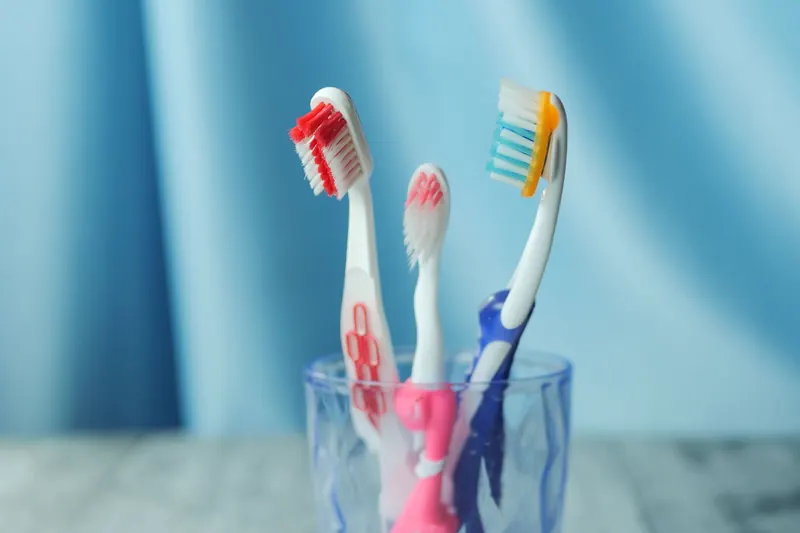
An electric toothbrush is one of the most common things people pack, and it rarely causes problems at security. Still, it contains a rechargeable lithium-ion battery, and battery rules on flights are strict about some items. This guide covers what is generally allowed, why the cabin is the usual recommendation, how travel locks and cases help, and how to charge abroad. Rules can change and airlines can set their own, so always check the official sources before you travel.
Hand luggage or hold?
The UK government publishes hand luggage rules on gov.uk, including guidance on items with lithium batteries. Airlines and aviation authorities generally prefer devices with lithium-ion batteries to travel in the cabin, where any problem can be spotted and dealt with quickly. Spare lithium batteries and power banks must normally go in hand luggage only.
An electric toothbrush has a small battery and is usually allowed in hand luggage. Some airlines also allow it in the hold. Because policies differ and change, check your airline's website and the gov.uk hand luggage page before you fly.
Note:Lithium-ion batteries can overheat if damaged. Do not pack a brush that has been dropped hard, is swollen or gets hot. Check gov.uk and your airline for current rules on batteries and power banks.
Use the travel lock
A brush that switches on in your bag will drain its battery and could cause a security check. Many Oral-B and Philips Sonicare brushes have a travel lock that stops the button working until you unlock it. The method varies: on some models you press and hold the power button for a few seconds, sometimes while the brush is on the charger. Check your manual for your model.
If your brush has no travel lock, remove the head and pack the handle in a case so the button is not pressed.
Packing checklist
A little preparation keeps the brush, its head and the rest of your bag clean and dry.
- 1
Charge the brush fully before you go.
- 2
Switch on the travel lock if your brush has one.
- 3
Remove or cover the brush head and pack it in a ventilated case or a head cap.
- 4
Put the handle in a case or pouch in your hand luggage.
- 5
Pack the charger or charging case with its plug or USB lead.
- 6
Check any liquids, such as toothpaste or mouthwash, against the hand luggage limits on gov.uk.
Charging abroad
Many brushes last a week or two on a charge, which covers a short trip. Our battery-days check shows how long yours should last with your brushing routine. For longer trips, you need a way to charge.
UK two-pin chargers often fit hotel shaver sockets abroad or European sockets with a suitable adaptor. Check the voltage range on the charger label before using it on a different supply. Charging travel cases that use USB are the easiest option, because you can charge from a USB adaptor, a laptop or, where allowed, a power bank.
| Option | What you need | Good for |
|---|---|---|
| Charge before you go | Nothing extra | Short trips |
| Standard charger | Plug adaptor and the right voltage | Longer stays with a socket |
| USB charging travel case | USB adaptor or laptop | Frequent travellers |
| Hotel shaver socket | Two-pin plug | Hotels with bathroom sockets |
Brushes with charging travel cases
Premium models from both brands often come with a travel case that charges the brush inside it. The Sonicare DiamondClean 9000, DiamondClean Smart 9400 and 7900 list a USB charging travel case, and the Oral-B iO9 and iO10 list a charging travel case, according to the listings in our travel case guide.
If you travel often, this is one of the more practical upgrades. See also our article on charging from a shaver socket for the UK side.
Water flossers and combo units
Countertop water flossers are bulky and run from the mains, so most travellers leave them at home. Cordless flossers have a battery and the same advice applies as for toothbrushes: check gov.uk and your airline, empty the reservoir and pack it in hand luggage if the airline prefers. See our water flossers section for more on cordless designs.
Frequently asked questions
Can I take an electric toothbrush in hand luggage? Generally yes. Check gov.uk and your airline, as rules on lithium batteries can change.
Can I put an electric toothbrush in checked luggage? Some airlines allow it, but many prefer battery devices in the cabin. Check your airline's policy.
How do I stop my toothbrush turning on in my bag? Use the travel lock if your model has one, following the steps in the manual, or pack it in a firm case.
Can I charge my toothbrush from a power bank on the plane? That depends on the airline's rules for power banks and in-flight charging. Check with your airline before you fly.
What you need
- Check price on AmazonAffiliate link
Sonicare Next-Gen 9900 Prestige: SenseIQ, 8 modes, display
From: Best electric toothbrushes with a charging travel case
- Check price on AmazonAffiliate link
Oral-B iO6: Sensitive and Super-Sensitive modes, display
From: Best electric toothbrushes in the UK: premium models compared