Guide
How often to change an electric toothbrush head
Published
Note: This page contains affiliate links. If you buy through them we may earn a commission at no extra cost to you. Learn more
In short
The NHS advises changing your toothbrush, or the head of an electric toothbrush, every three months, or sooner if the bristles are worn. Oral-B and Philips Sonicare give similar guidance. Many premium handles also show a reminder when a head is due, but worn, splayed bristles are a sign to change it whatever the timer says.
Products for this job
Compare all 8 productsOral-B iO6: Sensitive and Super-Sensitive modes, display
Check price on AmazonAffiliate linkSonicare Next-Gen 9900 Prestige: SenseIQ, 8 modes, display
Check price on AmazonAffiliate linkOral-B iO9: 7 modes, 3 heads, charging travel case
Check price on AmazonAffiliate link
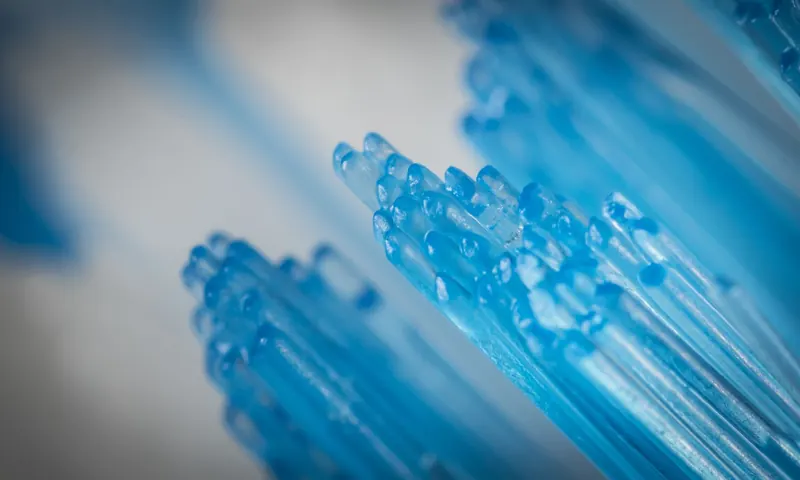
Brush heads are the part of an electric toothbrush you keep buying, so it is fair to ask how long they really need to last. The short answer is about three months, which lines up with NHS guidance and with what the main brands say. The longer answer covers what wear looks like, how the reminder systems on Oral-B iO and Philips Sonicare work, and how to keep track of heads when several people in the house use electric brushes. If you have questions about your own teeth or gums, your dentist is the best person to ask.
What the NHS and the makers say
The NHS advises replacing your toothbrush every three months, or sooner if the bristles become worn. That applies to the heads of electric toothbrushes too. Oral-B and Philips both recommend changing heads about every three months.
Three months is a guide rather than a hard limit. Someone who brushes firmly may wear a head out faster, and a head that has been used during a cold is something many people choose to replace earlier.
Signs a head needs changing
Look at the bristles from the side and from above. A new head has neat, upright tufts. A worn head looks flattened or splayed.
- Bristles splayed outwards or bent over
- Coloured indicator bristles faded, on heads that have them
- Bristles flattened in one area from pressing too hard
- Head feels rough or less effective
- Damage to the plastic, or a loose fit on the handle
Reminder lights on iO and Sonicare
Many Oral-B iO handles track how long the current head has been used and show a reminder on the display or with a light when it is time to change. You usually need to tell the handle you have fitted a new head, through the settings menu or the Oral-B app. The exact steps are in your manual.
Philips Sonicare uses BrushSync on many handles. A chip in compatible heads lets the handle track head use and remind you when to replace it, and on some models it also pairs the head with a suitable mode. A head without the chip still works, but the reminder will not. Our Sonicare brush heads explainer covers this.
Reminders are based on usage time, so they are a useful nudge. If the bristles look worn before the reminder appears, change the head anyway.
Planning heads for a household
One person changing every three months needs four heads a year. A family of four needs sixteen. That adds up, so it helps to plan rather than run out. Our brush-head planner takes the number of people and the date the current heads went on, and works out heads needed per year and the next change date.
Coloured rings on the base of heads help family members tell their heads apart. Keep spare heads in their packaging until needed.
| People using electric brushes | Heads per year |
|---|---|
| 1 | 4 |
| 2 | 8 |
| 3 | 12 |
| 4 | 16 |
| 5 | 20 |
Making heads last the full three months
Pressing too hard is the main reason heads wear out early. A brush with a pressure sensor warns you when you push too hard, which helps the bristles last. Our guide to gentle modes and pressure sensors compares brushes with this feature, and our pressure sensor explainer explains how they work.
Rinse the head after brushing, shake off the water and let it dry upright. Remove the head now and then to rinse the join between head and handle, where toothpaste can build up.
Genuine or compatible heads
Cheaper compatible heads are widely sold. They can fit, but they may not include the chip used for reminders, and quality varies. Our genuine vs compatible brush heads article sets out what you gain and lose with each.
Whichever you choose, the same three-month guidance applies.
Frequently asked questions
How long do Philips Sonicare brush heads last? Philips recommends replacing Sonicare heads about every three months, in line with NHS guidance. BrushSync handles remind you when a compatible head is due.
Can I use a brush head for longer than three months? It may still work, but bristles wear and become less effective. The NHS advises changing every three months or sooner if worn.
Should I change my brush head after being ill? Many people choose to, and it does no harm. If you have specific health concerns, ask your dentist or GP.
Do I need to reset the reminder after fitting a new head? On many iO models you confirm a new head in the settings or app. BrushSync heads on Sonicare are usually detected automatically. Check your manual.
What you need
- Check price on AmazonAffiliate link
Oral-B iO6: Sensitive and Super-Sensitive modes, display
From: Best electric toothbrushes in the UK: premium models compared
- Check price on AmazonAffiliate link
Sonicare Next-Gen 9900 Prestige: SenseIQ, 8 modes, display