Guide
How does a sonic toothbrush work?
Published
Note: This page contains affiliate links. If you buy through them we may earn a commission at no extra cost to you. Learn more
In short
A sonic toothbrush uses a resonant motor that makes an oval head sweep rapidly from side to side at a frequency in the audible range, which is where the name comes from. Philips quotes up to 62,000 movements per minute on many Sonicare models. The fast vibration creates the distinctive buzz and tickle, and the head is moved slowly along the teeth rather than scrubbed.
Products for this job
Compare all 8 productsSonicare Next-Gen 9900 Prestige: SenseIQ, 8 modes, display
Check price on AmazonAffiliate linkSonicare DiamondClean 9900 Prestige: SenseIQ, 5 modes, 4 heads
Check price on AmazonAffiliate linkSonicare Next-Gen DiamondClean 9000 2 pack: 7 modes, display
Check price on AmazonAffiliate link
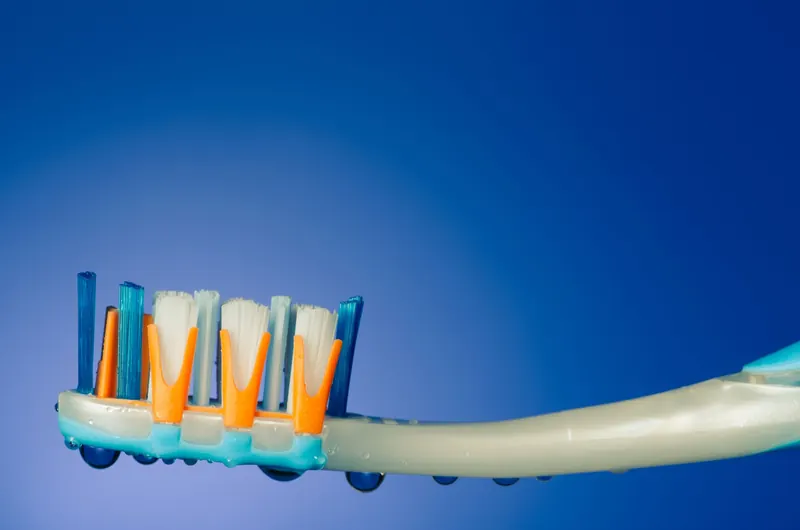
Sonic toothbrushes are one of the two main types of premium electric brush, alongside the oscillating-rotating design used by Oral-B. Philips Sonicare is the best-known sonic brand. The name refers to the speed of the vibration rather than to sound waves doing the cleaning. This guide explains what is inside the handle, what movements per minute means, why sonic brushes feel the way they do, and how to brush with one. For advice on your own teeth and gums, speak to your dentist.
The resonant motor
Inside a sonic handle is an electromagnetic drive. A coil and magnets push a spring-mounted shaft back and forth, and the system is tuned to resonate, so it moves a lot with little energy. The shaft passes the motion to the head, which sweeps side to side through a small arc many times a second.
Because the frequency is in the range people can hear, the brush is called sonic. It is the vibration of the bristles that does the work, not the sound.
Movements per minute
Philips quotes up to 62,000 movements per minute on many Sonicare handles, including the DiamondClean 9000 and 7900 in our sonic toothbrush guide. That figure counts each sweep in either direction, so it is roughly double the number of full back-and-forth cycles.
Comparing movements per minute between sonic and oscillating brushes is not like for like. An oscillating head turns through a larger arc at a lower rate, while a sonic head makes small, very fast sweeps. Neither number alone tells you how well a brush cleans.
| Feature | Sonic | Oscillating-rotating |
|---|---|---|
| Head shape | Oval, like a manual brush | Small and round |
| Motion | Fast side-to-side sweep | Rotates back and forth, often with pulsing |
| Main brands | Philips Sonicare | Oral-B |
| How you brush | Angle at gumline, glide slowly | Move tooth by tooth |
| Feel | Strong buzz and tickle | Firm, focused feel |
Why sonic brushes feel and sound different
The high-frequency vibration passes into your teeth and lips, which gives the tingling feeling many people notice at first. Philips has offered an easy-start feature on many handles that gradually increases power over the first sessions to help you get used to it. Check your manual to see if your model has it.
The sound is a high buzz rather than a whirr. Sonic handles are often described as quieter than older oscillating brushes, though the iO's magnetic drive has narrowed that gap.
How to brush with a sonic toothbrush
Sonic brushes are used more like a manual brush than an oscillating one, but without scrubbing.
- 1
Put a pea-sized amount of fluoride toothpaste on the head.
- 2
Place the bristles against the teeth before switching on, to avoid splashing.
- 3
Angle the bristles slightly towards the gumline.
- 4
Glide the head slowly across the teeth with light pressure, letting the vibration do the work.
- 5
Follow the Quadpacer prompts, which signal you to move to the next quarter of your mouth.
- 6
Brush for the full two minutes, then spit out rather than rinse, as the NHS advises.
Note:Pressing hard does not help and can be uncomfortable. If you have gum problems, sensitivity or dental work, ask your dentist how to brush.
Modes, intensity and SenseIQ
Modes on a sonic brush change the pattern and amplitude of the vibration. Many Sonicare handles have three intensity levels. Premium models such as the 9900 Prestige add SenseIQ, which Philips says adjusts intensity if you press too hard. Our brushing modes explainer covers the common modes, and the Sonicare models compared guide lists which models have which features.
Sonic or oscillating?
Both types are widely used, and the NHS does not single out one technology. The choice is often about feel, head shape and the features of a particular handle. Our sonic vs oscillating comparison goes through the practical differences.
Frequently asked questions
Does a sonic toothbrush use sound to clean? No. Sonic refers to the vibration frequency, which is in the audible range. The bristles do the cleaning.
What does 62,000 movements per minute mean? It is Philips' figure for the number of sweeps the head makes each minute, counting each direction.
Why does my sonic toothbrush tickle? The fast vibration passes through the teeth and lips. Many people get used to it within a few sessions.
Do I need special heads for a sonic brush? Yes. Sonicare handles take Sonicare heads. See our Sonicare brush heads explainer.
What you need
- Check price on AmazonAffiliate link
Sonicare Next-Gen 9900 Prestige: SenseIQ, 8 modes, display
- Check price on AmazonAffiliate link
Oral-B iO6: Sensitive and Super-Sensitive modes, display
From: Best electric toothbrushes in the UK: premium models compared