Guide
When can a child use an electric toothbrush?
Published
Note: This page contains affiliate links. If you buy through them we may earn a commission at no extra cost to you. Learn more
In short
Follow the maker's age guidance: Oral-B and Philips Sonicare kids' electric brushes are generally rated from age 3, and adult brushes are designed for older children and adults. Whatever brush you use, the NHS advises that parents supervise or help with brushing, typically until children are around 7. If you are unsure what suits your child, ask your dentist.
Products for this job
Compare all 8 productsOral-B iO6: Sensitive and Super-Sensitive modes, display
Check price on AmazonAffiliate linkSonicare Next-Gen 9900 Prestige: SenseIQ, 8 modes, display
Check price on AmazonAffiliate linkSonicare DiamondClean 9900 Prestige: SenseIQ, 5 modes, 4 heads
Check price on AmazonAffiliate link
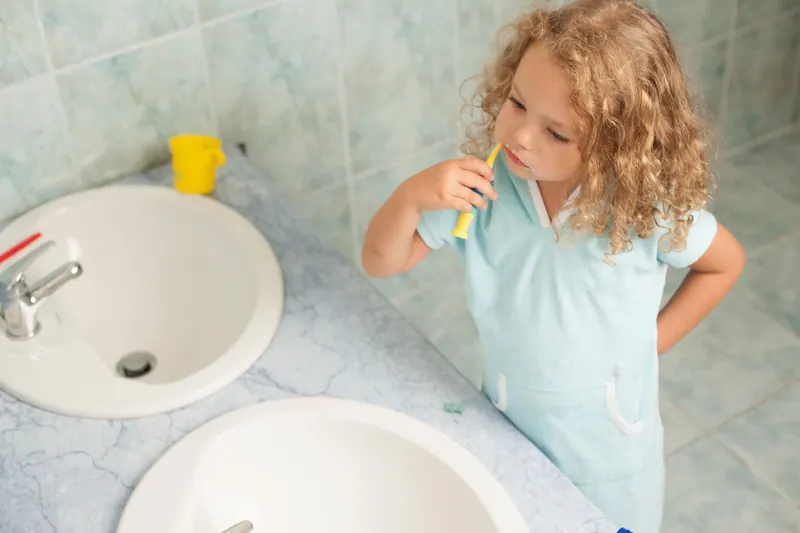
Children often want an electric toothbrush because a parent has one, and the music, lights and apps on kids' models can make brushing more fun. The questions are what age is suitable, whether an adult brush is safe for a child, and how much help children need. This guide covers maker age ratings, NHS guidance for brushing children's teeth and the features to look for. It is general information; for advice about your child's teeth, speak to your dentist or health visitor.
Maker age ratings
Makers state a minimum age for each brush. Oral-B and Philips Sonicare kids' electric brushes have generally been rated from age 3. They use smaller heads, softer bristles and gentler power than adult brushes. Adult brushes carry their own guidance, and many manuals say they are not intended for young children. Check the packaging and manual for the brush you have in mind.
Follow the age rating rather than going by size alone. The rating reflects the head size, power and the parts that could be a hazard for small children.
Note:Always follow the maker's age guidance and supervise children while they use an electric toothbrush. Keep chargers and leads out of reach of young children, and do not let them charge or handle the brush near water unsupervised.
What the NHS says about children's brushing
The NHS advises starting to brush as soon as the first milk tooth appears, and brushing twice a day, including last thing at night. It recommends a smear of fluoride toothpaste for children under 3 and a pea-sized amount for children aged 3 to 6. Children should spit out after brushing rather than rinse.
The NHS also advises that parents help or supervise brushing until children are about 7 or older. That applies whether the brush is manual or electric. The NHS does not say an electric brush is required; a manual brush used well is fine.
| Age | Amount of fluoride toothpaste | Supervision |
|---|---|---|
| Under 3 | A smear | Parent brushes |
| 3 to 6 | A pea-sized amount | Parent helps or supervises |
| 7 and over | As advised by the dentist | Supervise until confident |
Features that help children
Kids' electric brushes are designed around making two minutes feel shorter and keeping the brush gentle.
- Two-minute timer with pacer, so children know when to move on
- Small heads with soft bristles
- Lower power or a gentle mode
- Apps or music that reward a full two minutes, on some models
- Easy-grip handle sized for small hands
Can a child use an adult electric toothbrush?
Older children may move to an adult brush when the maker's guidance allows and they can brush properly with supervision. An adult brush with a sensitive mode and a soft head is gentler than one on full power. Our guide to brushes with gentle modes lists adult models with sensitive settings and pressure sensors.
If you are thinking about sharing a handle, give each child their own head with a coloured ring, and never share heads.
Helping your child brush
These steps follow general NHS advice. Adapt them to your child's age.
- 1
Put the right amount of fluoride toothpaste on the head for their age.
- 2
Place the head on the teeth before switching on to avoid splashing.
- 3
Guide the brush around each tooth, outside, inside and on top, using the pacer to move around the mouth.
- 4
Brush for about two minutes, twice a day.
- 5
Encourage your child to spit out rather than rinse.
- 6
Change the head every three months or sooner if the bristles splay.
Heads, charging and taking care
Children's brush heads wear out quickly because of chewing and pressing hard. The NHS three-month guidance still applies, but check them more often. Our brush-head planner helps you keep track for the whole family, and our article on how often to change a toothbrush head shows the signs of wear.
Keep the charger somewhere dry and out of reach. If your bathroom has a shaver socket, see our shaver socket guide.
Frequently asked questions
What age should a child have an electric toothbrush? Follow the maker's guidance. Kids' models from Oral-B and Philips Sonicare are generally rated from age 3. A manual brush is also fine.
Is an electric toothbrush better for children? The NHS does not require an electric brush. What matters is brushing twice a day with the right amount of fluoride toothpaste and adult supervision.
Can my child use my Oral-B or Sonicare? Check the manual for the age guidance. Older children may use an adult brush on a gentle mode with their own head and supervision.
How long should a child brush for? The NHS advises about two minutes, twice a day.
What you need
- Check price on AmazonAffiliate link
Oral-B iO6: Sensitive and Super-Sensitive modes, display
From: Best electric toothbrushes with gentle modes and pressure sensors
- Check price on AmazonAffiliate link
Sonicare Next-Gen 9900 Prestige: SenseIQ, 8 modes, display