How-to
How to use a water flosser
Published
Note: This page contains affiliate links. If you buy through them we may earn a commission at no extra cost to you. Learn more
In short
Fill the reservoir with lukewarm water, fit the tip and set the lowest pressure. Lean over the sink, put the tip in your mouth, then switch on. Aim the tip at the gumline and trace along each tooth, pausing briefly between teeth, with your lips almost closed so water drains into the sink. A full session usually takes about a minute.
Products for this job
Compare all 8 productsSonicare Next-Gen 9900 Prestige: SenseIQ, 8 modes, display
Check price on AmazonAffiliate linkSonicare DiamondClean 9900 Prestige: SenseIQ, 5 modes, 4 heads
Check price on AmazonAffiliate linkSonicare Next-Gen DiamondClean 9000 2 pack: 7 modes, display
Check price on AmazonAffiliate link
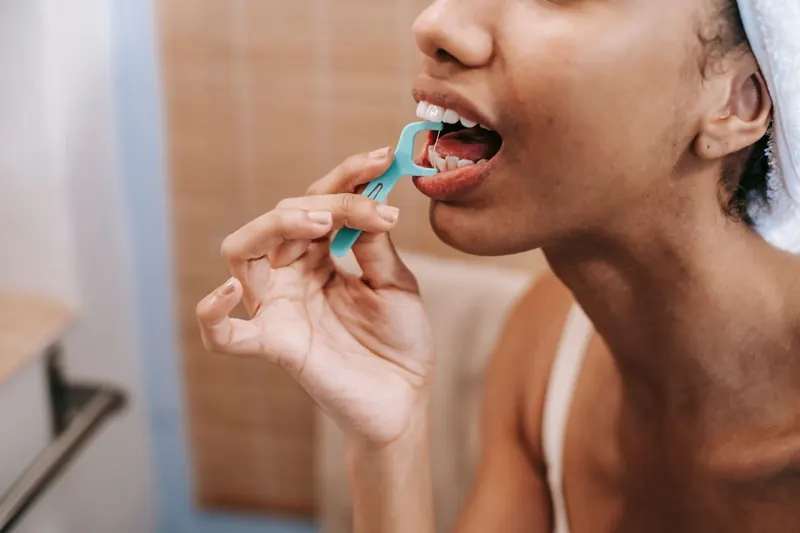
A water flosser is simple once you have the knack, but the first few sessions can be messy. Most problems come from starting on too high a pressure, switching on before the tip is in your mouth, or holding the tip at the wrong angle. This guide walks through each step for countertop and cordless models, explains pressure settings and tips, and covers how long to spend. Check your own model's manual too, because buttons, timers and tips differ between brands. If you have gum concerns, talk to your dentist or hygienist before you start.
Set up before you start
Our explainer on how a water flosser works shows the pump, reservoir and tip.
- Fill the reservoir with lukewarm water. Cold water can feel uncomfortable on sensitive teeth.
- Push the tip firmly into the handle until it clicks.
- Set the pressure to the lowest setting.
- For a countertop unit, run it briefly over the sink until water flows from the tip, so air is cleared from the hose.
Step by step
Many handles have a pause button or switch, which stops the flow without turning off the unit. It is useful while you get used to the technique.
- 1
Lean over the sink so water can run out of your mouth.
- 2
Place the tip in your mouth, then switch on.
- 3
Close your lips enough to stop splashing but let water drain out.
- 4
Start with the back teeth and aim the tip at the gumline at about 90 degrees.
- 5
Trace along the gumline and pause briefly in each gap between teeth.
- 6
Work around the outside of the top teeth, then the inside, then repeat on the bottom.
- 7
Switch off before taking the tip out of your mouth.
- 8
Empty any remaining water from the reservoir and let it dry.
Pressure settings
Start on the lowest pressure for the first week, then increase gradually if you are comfortable. Higher pressure is not automatically better. Your gums should not hurt.
If your gums bleed when you start, that is common with any new between-teeth cleaning. If bleeding carries on after a week or two, or your gums are sore, see a dentist.
Note:Do not aim the jet hard into a gum pocket, and stop if you feel pain. Ask your dental team before using a flosser if you have had recent gum treatment or surgery.
How long to use it and how often
Many makers suggest about a minute per session. The Waterpik Sonic-Fusion 2.0 listing, for example, describes 60 seconds of flossing time. Some models have a timer and pacer that signal when to move on.
Follow your dental team's advice on how often to clean between your teeth; many suggest once a day. Keep brushing twice a day for about two minutes, as the NHS advises. A flosser does not replace brushing; see water flosser vs electric toothbrush.
Choosing a tip
Names differ between brands. Replace tips as the maker advises, usually every few months, or sooner if a tip cracks or clogs.
| Tip type | Typical use |
|---|---|
| Classic jet tip | General use for most people |
| Orthodontic tip | Braces, with a small brush at the end |
| Plaque seeker tip | Crowns, bridges and implants |
| Pocket tip | Directed use as advised by a dental professional |
| Toothbrush tip | Brushing and flossing together on some models |
After each use
Empty the reservoir, shake out the handle on a cordless model, and leave the parts to air dry. This helps prevent build-up and smells. In hard water areas, descale regularly. Our guide on how to clean a water flosser covers weekly cleaning and descaling.
If you use an electric toothbrush as well, our premium electric toothbrush guide compares the leading models, and some people prefer a combined unit such as the Waterpik Sonic-Fusion 2.0, found in our sonic toothbrush guide.
Frequently asked questions
Should I use a water flosser before or after brushing? Many dental teams suggest cleaning between teeth before brushing, but doing it consistently matters most. Follow your hygienist's advice.
Can I put mouthwash in a water flosser? Some makers allow diluted mouthwash; others advise against it. Check your manual and rinse the unit afterwards.
Why does water go everywhere? Usually the tip came out of your mouth while running, or your lips were open. Switch on only with the tip inside and lean over the sink.
Is it normal for gums to bleed at first? Some bleeding is common at first. If it continues, see a dentist.
What you need
- Check price on AmazonAffiliate link
Sonicare Next-Gen 9900 Prestige: SenseIQ, 8 modes, display
- Check price on AmazonAffiliate link
Oral-B iO6: Sensitive and Super-Sensitive modes, display
From: Best electric toothbrushes in the UK: premium models compared